

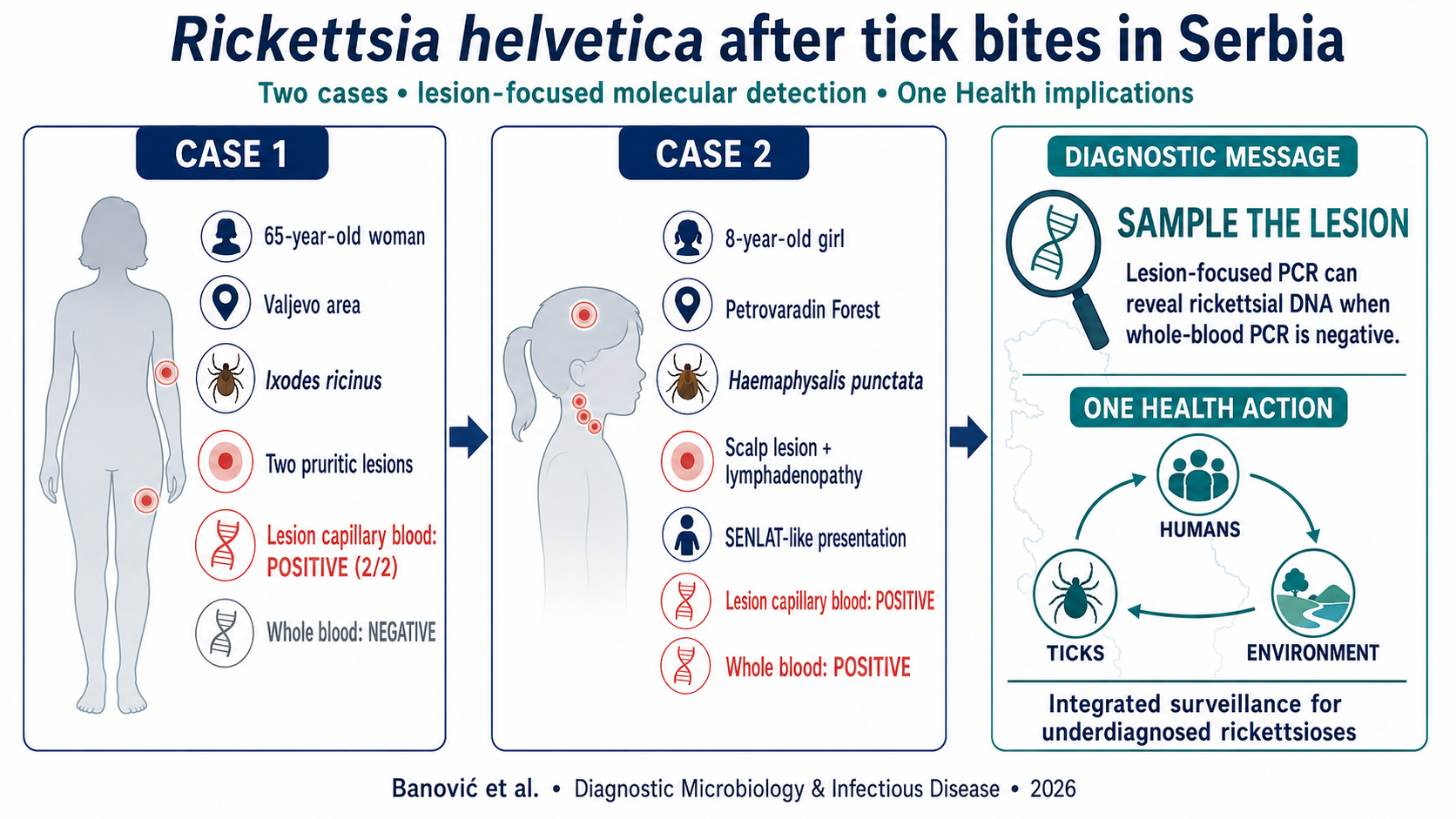
Molecular detection of Rickettsia helvetica in lesion and blood samples after tick bites in Serbia: two cases with One Health implications
A new scientific article developed under the umbrella of the Balkan Association for Vector-Borne Diseases (BAVBD) has reported the molecular detection of Rickettsia helvetica in clinical samples collected from two patients following tick bites in Serbia.The Short Communication, entitled “Molecular detection of Rickettsia helvetica in lesion and blood samples after tick bites in Serbia: two cases with One Health implications,” has been accepted for publication in Diagnostic Microbiology & Infectious Disease. The collaboration brought together researchers affiliated with the BAVBD Diagnostics and Laboratory Research Task Force, the BAVBD Branch in Skopje, the Pasteur Institute Novi Sad, the University of Novi Sad, the University Clinic for Infectious Diseases and Febrile Conditions in Skopje, and ANSES–INRAE–École Nationale Vétérinaire d’Alfort in France.
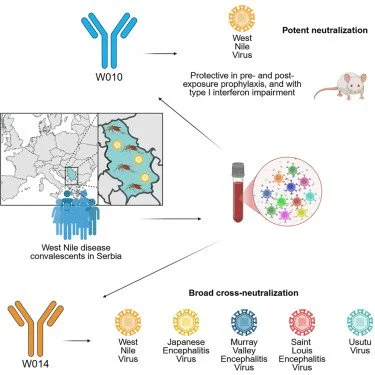
Analysis of West Nile disease convalescents identifies human monoclonal antibodies protective against West Nile and related orthoflaviviruses
One antibody protected mice even when treatment was delayed for several days, while another neutralized five mosquito-borne orthoflaviviruses. The findings are promising but remain preclinical.
Researchers have identified two human antibodies that could provide starting points for new treatments against West Nile virus and several related mosquito-borne pathogens. The study, published in Immunity, describes an exceptionally potent antibody called W010 and a broader antibody, W014, that recognizes a conserved viral target shared across multiple orthoflaviviruses.
The findings address a persistent medical gap. West Nile virus can invade the central nervous system and cause meningitis, encephalitis, paralysis and death, particularly among older adults and immunocompromised people. Yet there is currently no licensed human vaccine or virus-specific medicine; treatment is largely supportive.
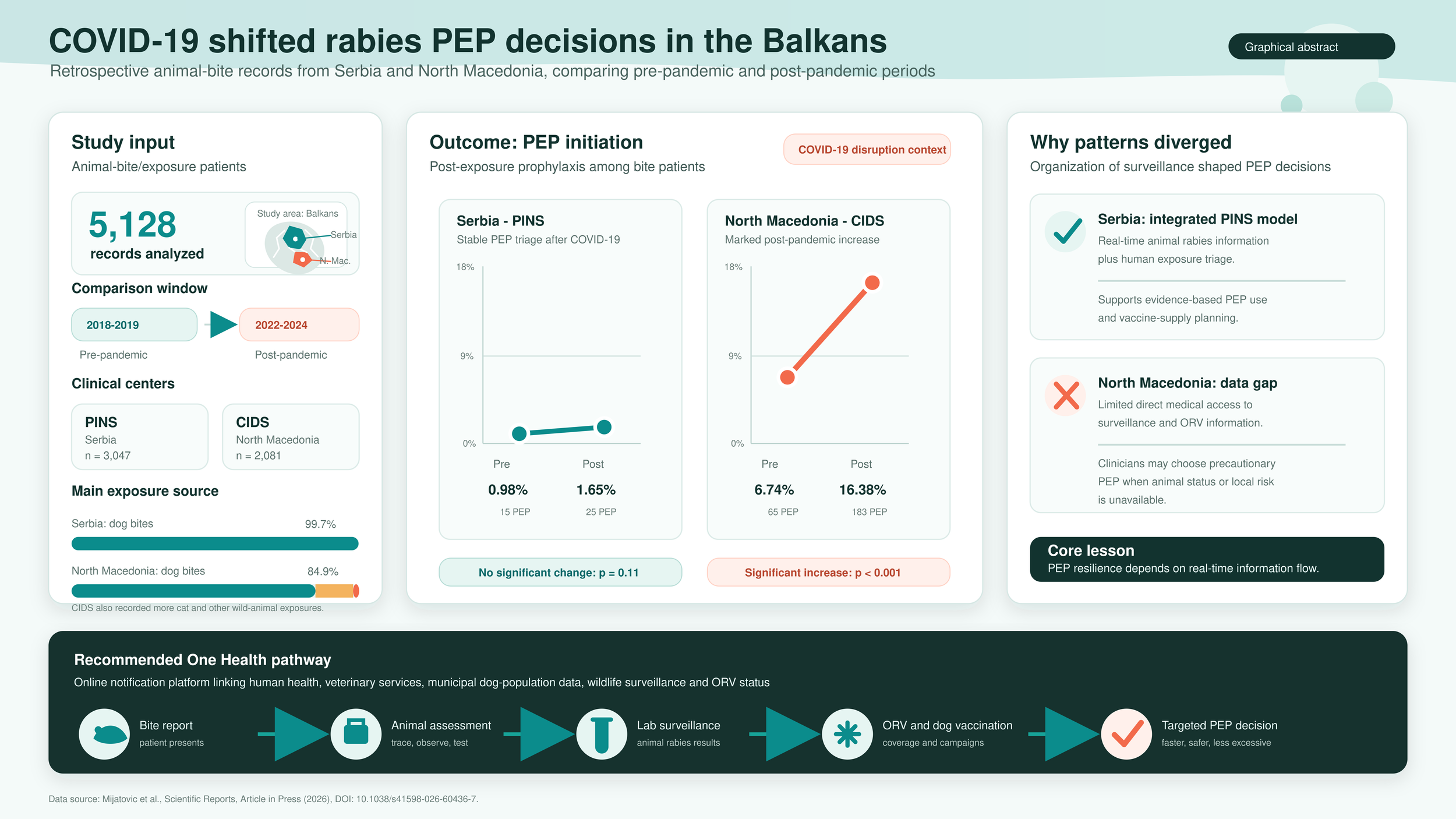
The impact of the COVID-19 pandemic on rabies control and health-seeking behavior for postexposure prophylaxis (PEP) in Serbia and North Macedonia and lessons learnt
A new study from North Macedonia has identified ongoing circulation of Toxocara parasites in dogs and cats and documents a clinically confirmed case of human ocular toxocariasis, underscoring the zoonotic risk posed by companion animals and contaminated environments.
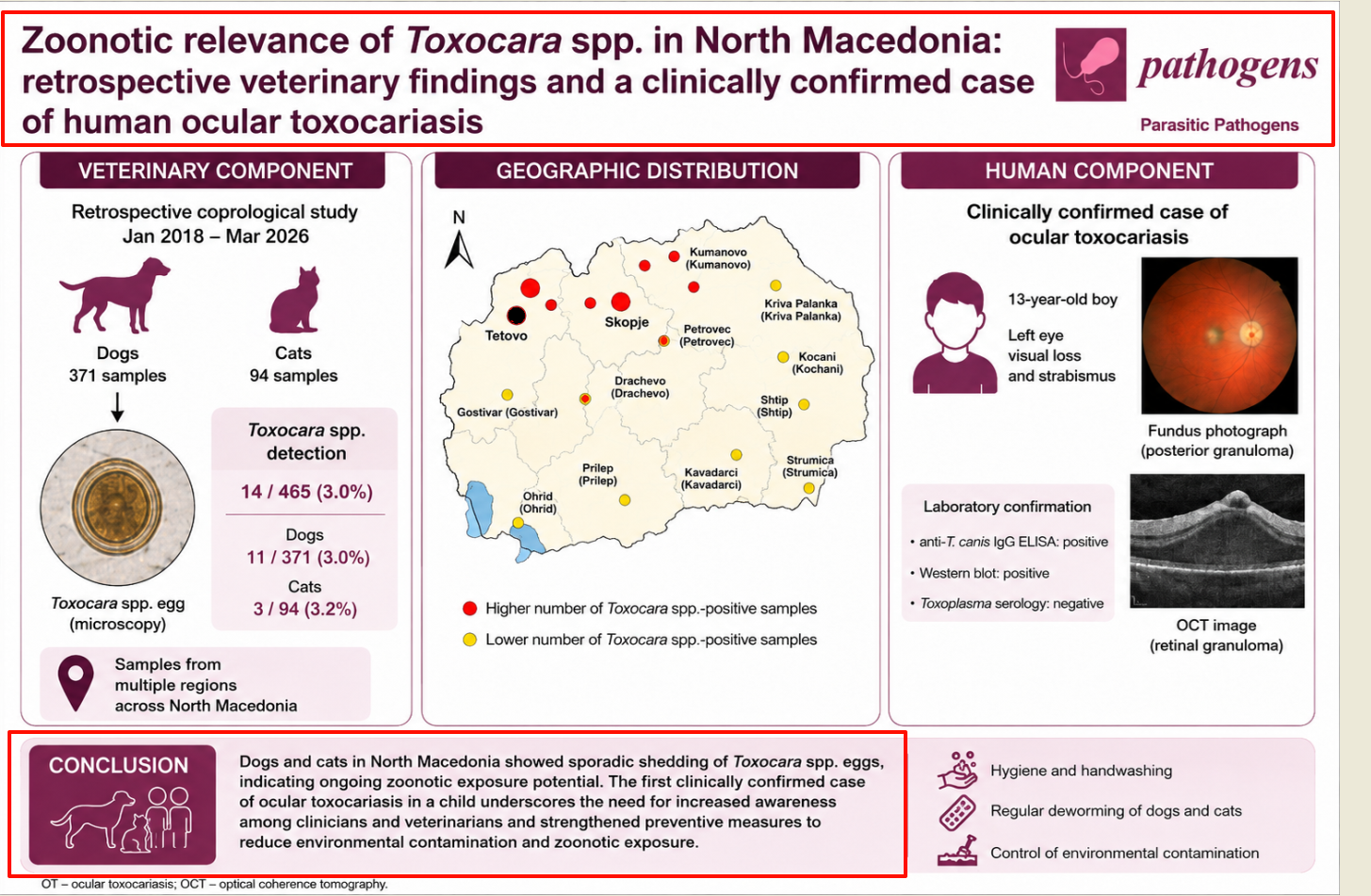
Zoonotic Relevance of Toxocara spp. in North Macedonia: Retrospective Veterinary Findings and a Clinically Confirmed Case of Human Ocular Toxocariasis
A new study from North Macedonia has identified ongoing circulation of Toxocara parasites in dogs and cats and documents a clinically confirmed case of human ocular toxocariasis, underscoring the zoonotic risk posed by companion animals and contaminated environments.
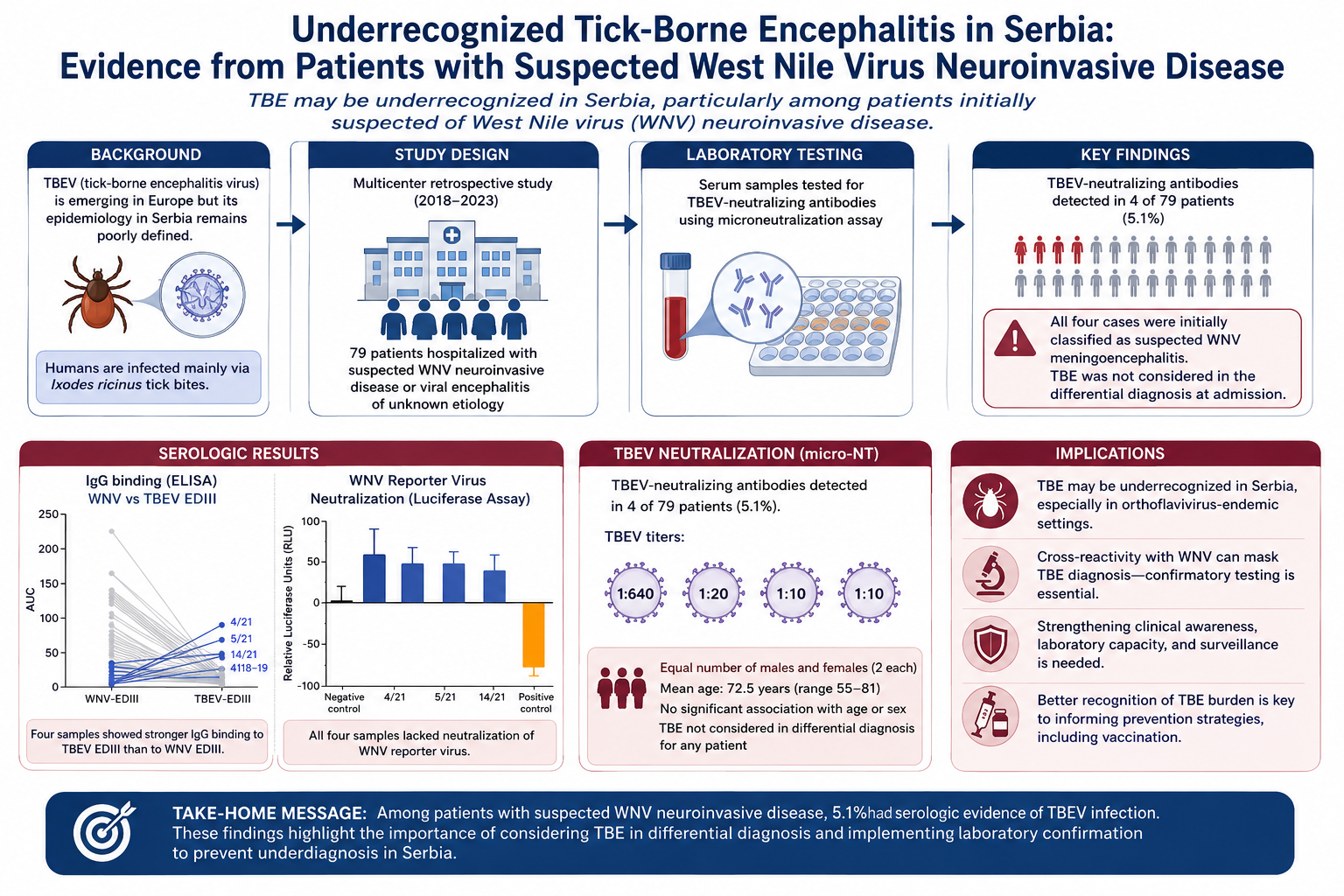
Underrecognized Tick-Borne Encephalitis in Serbia: Evidence from Patients with Suspected West Nile Virus Neuroinvasive Disease
A new multicenter study from Serbia suggests that tick-borne encephalitis may be going undetected among patients initially suspected of having West Nile virus-related neurological disease.
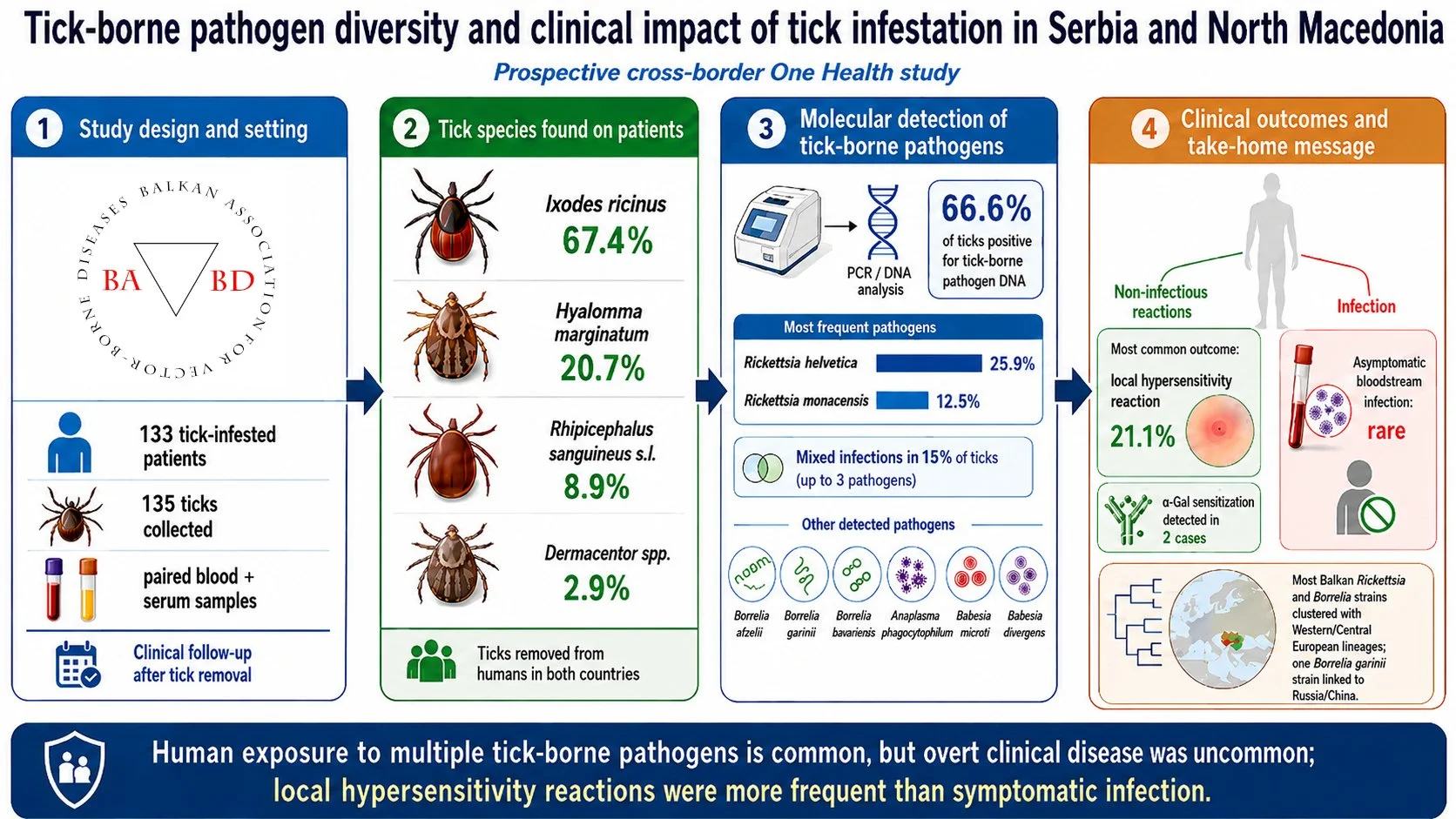
Tick-borne pathogen diversity and clinical impact of tick-infestation in Serbia and North Macedonia
A new cross-border study from Serbia and North Macedonia has found that ticks biting humans in the Balkans frequently carry disease-causing microorganisms, raising concerns about the region’s growing role as a hotspot for tick-borne infections.
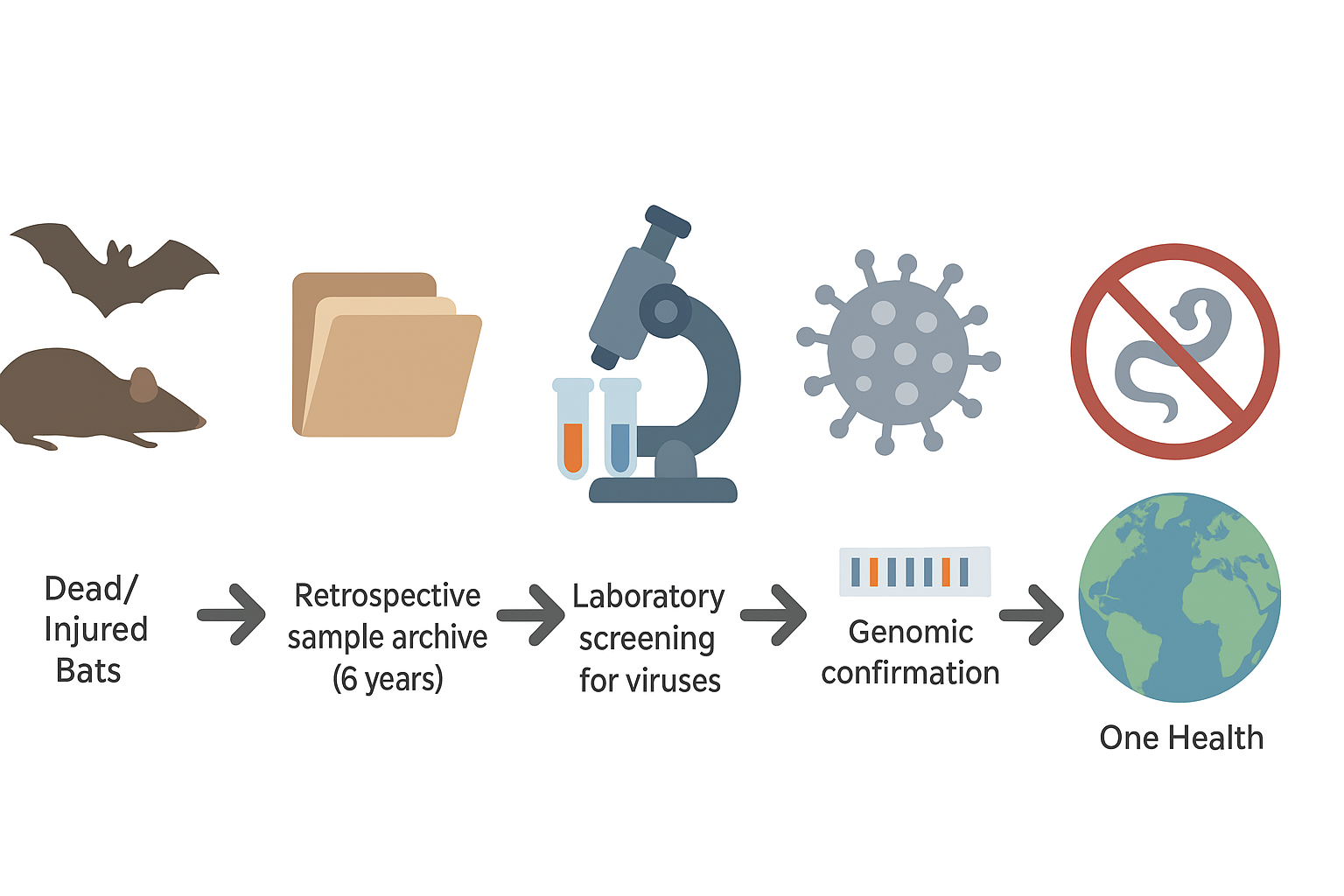
Multipurpose Passive Surveillance of Bat-Borne Viruses in Hungary: Lyssaviruses and Filoviruses in Focus
To establish and validate a bat-friendly passive surveillance system for monitoring viruses (e.g., lyssaviruses, filoviruses) in bats in Hungary.
Goal: detect viral presence & improve One Health surveillance.

Differential Exposure to Borrelia spp. and Spotted Fever Group Rickettsia in Serbia and North Macedonia: A Comparative Study
Skopje, North Macedonia / Novi Sad, Serbia – August 2025 – A recent cross-border study highlights stark differences in exposure to tick-borne pathogens between neighboring Balkan countries. Researchers from Serbia and North Macedonia found that residents in Skopje showed significantly higher exposure to spotted fever group Rickettsia (SFGR), while individuals in Novi Sad were more frequently exposed to Borrelia species, the bacteria responsible for Lyme disease.
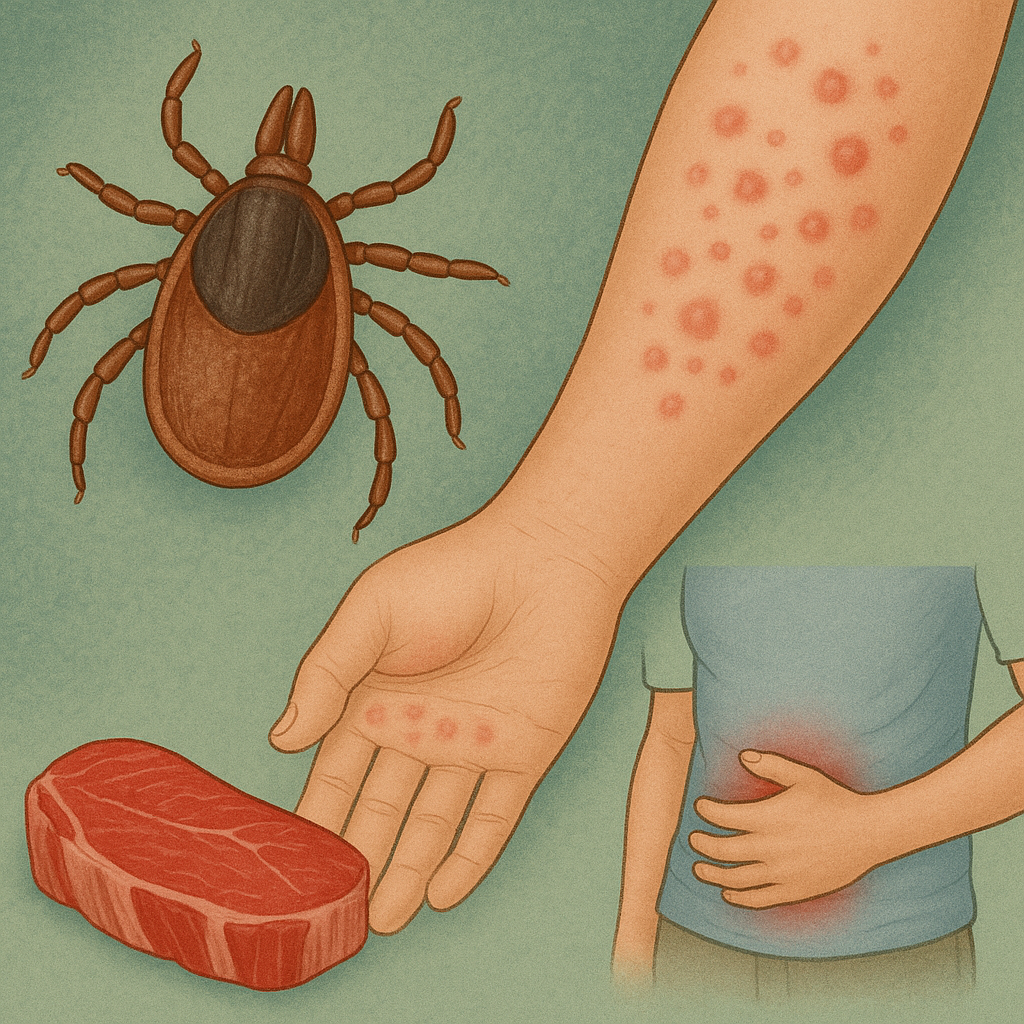
Genetic and Immunological Insights into Tick-Bite Hypersensitivity and Alpha-Gal Syndrome: A Case Study Approach
A recent study published in the International Journal of Molecular Sciences delves into the complexities of tick-bite hypersensitivity and its association with alpha-gal syndrome (AGS). The research presents a detailed analysis of two cases, highlighting the genetic and immunological factors contributing to hypersensitivity reactions following tick bites.

One health investigation following a cluster of Crimean–Congo haemorrhagic fever, North Macedonia, July to November 2023
In 2023, North Macedonia reported three cases of Crimean-Congo hemorrhagic fever (CCHF), marking the disease's return after more than five decades. A comprehensive One Health investigation was initiated to assess the virus's presence among healthcare workers, livestock, and ticks in the affected region.

Two Human Infections with Diverse Europe-1 Crimean-Congo Hemorrhagic Fever Virus Strains, North Macedonia, 2024
In a concerning development, North Macedonia has reported two new cases of Crimean-Congo hemorrhagic fever (CCHF) in 2024, marking the reappearance of the disease in the country after more than five decades. The patients, both male residents of rural areas, contracted the virus following tick bites. Genetic analyses revealed that the viral strains belong to the Europe-1 lineage, with evidence suggesting possible reassortment events involving strains from Turkey and Kosovo. These findings indicate that North Macedonia may serve as a convergence zone for diverse CCHF virus strains, underscoring the need for heightened surveillance and public health preparedness in the region.

Imported Tick-borne Encephalitis in a traveller returning to North Macedonia from Switzerland, June 2024
In June 2024, a 26-year-old man from North Macedonia returned home from a family visit to Switzerland with an unwelcome souvenir—Tick-Borne Encephalitis (TBE). This vaccine-preventable disease highlights the risks faced by travelers visiting endemic areas without proper precautions.

Neoehrlichia mikurensis: an emerging pathogen in Southeastern Poland – prevalence in Ixodes ricinus ticks and phylogenetic characterization
A recent study led by Zbigniew Zając from the Medical University of Lublin uncovers the prevalence and genetic diversity of Neoehrlichia mikurensis in Ixodes ricinus ticks from southeastern Poland, highlighting its potential as an emerging public health threat. Published in the Annals of Agricultural and Environmental Medicine, the study focuses on this Gram-negative bacterium, which can cause febrile illnesses often misdiagnosed due to non-specific symptoms.

Tick-Borne Encephalitis Virus Infection in a Two-Year-Old Child Returning from Switzerland (July–August 2023): Is It Time for TBE Immunization of Serbian Travelers?
A recent study in Pathogens highlights a case of tick-borne encephalitis (TBE) in a two-year-old Serbian child returning from Switzerland. The report underscores the growing relevance of TBE vaccination for Serbian travelers, particularly given the virus's prevalence in certain European regions. Researchers emphasize the importance of awareness, prevention strategies, and vaccination to mitigate risks associated with TBE exposure during international travel.

Rickettsia helvetica in C3H/HeN mice: a model for studying pathogen- host interactions
A study published in Heliyon successfully established the first animal model for Rickettsia helvetica infections in C3H/HeN mice, advancing research on this tick-borne pathogen. Although the infection had a 100% prevalence, classic signs of spotted fever were absent, offering new insights into its pathology. The study highlighted the limited susceptibility of Ixodes ricinus ticks, commonly found in Europe, to R. helvetica. This research sets the stage for future investigations into disease mechanisms, host responses, and vaccine development for tick-borne illnesses.

Dirofilaria immitis and Dirofilaria repens: Investigating the Prevalence of Zoonotic Parasites in Dogs and Humans in a Hyperenzootic Area
This study was conducted to assess the prevalence of zoonotic parasites, specifically Dirofilaria immitis (heartworm) and Dirofilaria repens, in dogs and humans within the hyperenzootic region of Thrace, northeastern Greece. The research was carried out within the "One Health" framework and involved collecting 604 blood samples from dogs and 625 serum samples from humans residing in the Thrace region.

Tick-borne diseases at the crossroads of the Middle East and central Europe
New study by Banović et al. has highlighted the complex epidemiology of tick-borne diseases (TBDs) in Serbia and North Macedonia, two countries with diverse ecosystems that support various tick species capable of transmitting TBDs. Conducted in 2022, this observational study focused on human-biting ticks and the prevalence of tick-borne pathogens (TBPs) among individuals from Novi Sad, Serbia, and Skopje, North Macedonia.

Tick paralysis induced by Ixodes gibbosus: enigmatic cases in domestic mammals from Cyprus
This manuscript examines occurrence of tick paralysis in Cyprus. Tick paralysis, caused by neurotoxins from tick salivary glands, results in a flaccid, ascending paralysis that can be fatal if untreated. The most potent tick is Ixodes holocyclus in Australia, but 73 species worldwide can cause paralysis. In Cyprus, cases are primarily in the Akamas peninsula, with periodic 3- and 7-year cycles. Ixodes gibbosus is identified as the causative tick. Affected animals, especially free-ranging small ruminants, show severe symptoms but recover quickly after tick removal. Prevention includes acaricides and movement restriction during high-risk periods. t

One health approach to study human health risks associated with Dermanyssus gallinae mites
This comprehensive manuscript examines the threat posed by the red-poultry mite, Dermanyssus gallinae, a significant pest in the poultry industry and a potential vector for various pathogens affecting both poultry and humans. It details the mite's biology, host preferences, and its role in transmitting bacterial and viral pathogens, including Salmonella, Coxiella burnetii, Borrelia burgdorferi, and several others. The study employs molecular techniques to identify D. gallinae specimens collected from a household infestation in Serbia, linking them to potential disease transmission. Furthermore, it discusses the clinical manifestations of D. gallinae infestation in humans and underscores the importance of a multidisciplinary approach to manage this emerging threat effectively.

Blood Group Variations in COVID-19 Convalescent Plasma and Regular Blood Donors: A Comparative Analysis in the Serbian Population
The manuscript investigates the potential connection between ABO blood groups and susceptibility to COVID-19. It begins by discussing the role of blood group antigens in immune response to pathogens. The study analyzes ABO blood group distribution among convalescent COVID-19 plasma (CCP) donors and regular blood donors during the pandemic in Serbia, comparing it with pre-pandemic data. Results indicate that individuals with blood group A are more likely to become CCP donors, while those with blood groups B, O, and AB are less likely. Notably, blood group O individuals seem more resistant to symptomatic SARS-CoV-2 infection. The discussion explores possible mechanisms behind these associations, including the role of blood group antigens and anti-ABO antibodies. The findings suggest implications for public health measures and personalized healthcare strategies. Further research is needed to fully understand these connections.